Breaking down in an RV is stressful in any situation, but when it happens on a steep, narrow mountain road, the experience becomes far more challenging. Limited shoulders, blind curves, unpredictable weather, and sudden elevation changes can turn a routine drive into a risky situation. Many RV owners aren’t prepared for how quickly conditions can shift at higher altitudes, so knowing what to do in the first few minutes is essential.
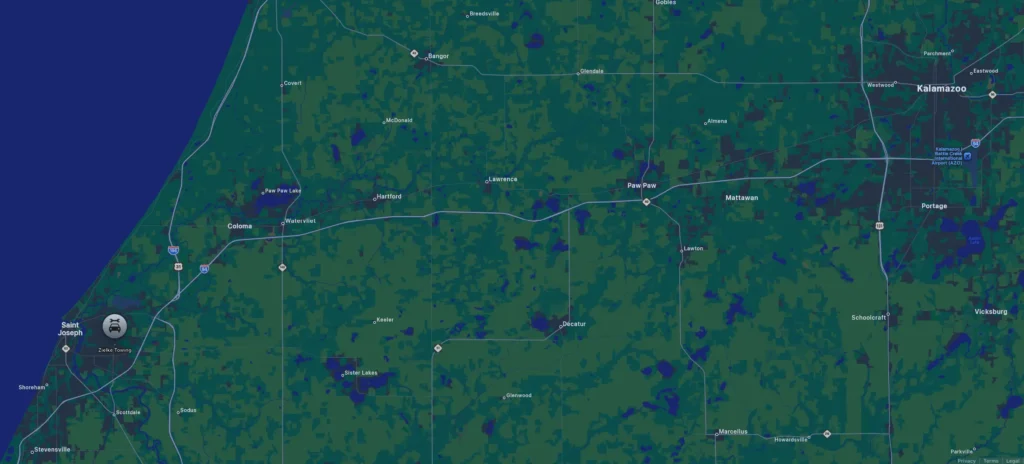
Mountain breakdowns often require more than standard roadside help. In many cases, you’ll need a specialized team like the local vehicle recovery experts who understand steep gradients, tight turns, and unstable road edges common in areas around Coloma, Benton Harbor, and Kalamazoo. Their experience ensures controlled and safe recovery even in challenging terrain.
This guide explains what really happens when your RV breaks down on a mountain road, the steps you should take immediately, and how professional towing teams handle steep-road recoveries. If you want to be fully prepared before your next road trip, you’re in the right place.
Why Mountain Road Breakdowns Are More Complex for RVs
Mountain roads introduce challenges that most RV drivers don’t face on flat highways. Steep inclines, sharp declines, and tight curves make it hard to find a safe spot to pull over. In many places, there is barely a shoulder, which increases the risk of other drivers not seeing your RV until the last moment.
The terrain itself puts extra strain on your RV. Long climbs can overheat the engine, while downhill slopes put immense pressure on the brakes. Many breakdowns happen when the RV is towing additional weight or carrying full tanks. These situations are commonly handled by teams providing long-distance towing assistance, especially when drivers aren’t familiar with mountain conditions.
Weather can also shift quickly at higher elevations. Fog, rain, sleet, or sudden wind gusts can turn a minor stall into a dangerous roadside emergency. Combined with loose gravel or narrow lanes, everything becomes more complex, requiring quick decisions and careful handling.
Immediate Safety Steps You Should Take After an RV Breakdown
If your RV breaks down on a mountain road, safety comes first. If the vehicle still has momentum, guide it toward the widest safe area—such as a gravel pull-off or designated turnout. Avoid stopping on blind curves or narrow sections where approaching drivers may not have enough time to react.
Make your RV visible. Turn on hazard lights immediately, and if it’s safe, place reflective triangles at increasing distances behind your vehicle. On steep or winding roads, extended warning distance gives other drivers more time to slow down. Avoid standing directly behind or in front of the RV because slopes can cause unexpected rolling.
Keep passengers inside unless there is smoke, fire, or risk of collision. If you must exit, move everyone to a safe, elevated area away from the roadway. If temperatures drop or visibility decreases, remain sheltered inside the RV while you wait for help from a local roadside assistance team familiar with the terrain.
Who Should You Call for Help on a Mountain Road?
Once the immediate safety steps are taken, the next move is calling the right professionals. Mountain recoveries require specialists—standard tow trucks often lack the power and equipment needed for steep or narrow roads. Choosing the wrong provider can cause delays or even make the situation riskier.
Before calling, gather essential details: your exact location (mile markers, GPS coordinates, landmarks), the size of your RV, whether you are towing another vehicle, and what type of mechanical issue occurred. This helps dispatch the right truck.
The safest option in these situations is contacting dedicated RV towing specialists who have the equipment and training to work in mountain terrain. If you’re unsure who to call, you can reach out directly through their contact page for fast, accurate support.
How Professional RV Towing Works on Steep or Remote Areas
Recovering an RV in mountainous conditions requires far more than a simple tow hook. Professionals use heavy-duty equipment designed for uneven or sloped terrain. Stabilizers, flatbed trucks, and advanced recovery units are common tools for safely securing heavy RVs.
The process often begins with controlled winching. Winch lines allow operators to pull your RV from unsafe positions—such as loose gravel, steep edges, or soft shoulders—without causing further damage. In difficult situations, teams rely on advanced techniques like professional winch-out service to stabilize and extract the vehicle.
Once the RV is secure, the towing team must navigate tight turns, steep climbs, or downhill grades with extreme caution. Operators move slowly and precisely to maintain control, especially when transporting the RV using heavy-duty towing equipment. After recovery, your RV may be taken to a repair shop, a safer flat area, or your destination depending on the situation.
What You Can Expect During the Recovery Process
When your RV breaks down on a mountain road, the recovery process can feel slow or uncertain—but knowing what to expect helps ease the stress. The first stage usually involves the towing team assessing the terrain and choosing the safest way to stabilize your RV. This can take extra time, especially on narrow mountain roads where space is limited and the team must plan the safest angle for extraction. If your RV is stuck in mud, gravel, or on a sloped edge, the operator may use equipment such as winch lines, stabilizers, or safety blocks to secure the vehicle before moving it. These careful steps prevent accidental sliding or additional damage during recovery.
Response times can vary significantly in mountain regions. Remote roads, steep climbs, and limited access points often mean the towing team needs additional time to reach your location. Poor weather or low visibility can also slow down the process. However, experienced teams trained for high-elevation work—such as those offering RV towing assistance—are familiar with these challenges and know how to adapt quickly while keeping you informed throughout the service. Their priority is ensuring that your RV is safely recovered without risking damage to the vehicle or surrounding traffic.
Once your RV is secured, the towing team will determine the best destination based on your situation. Some travelers choose to have their RV moved to the nearest repair shop, while others request transport to a safe flat area or even tow it directly home. Costs can vary depending on distance, complexity, and the equipment used, with heavy-duty extractions typically requiring specialized trucks. The towing provider will explain pricing, insurance considerations, and available options so you understand everything before the tow begins. During this stage, your safety and comfort matter too—operators often help arrange transport for you and your passengers if needed, ensuring everyone gets off the mountain safely.
How to Prevent RV Breakdowns on Mountain Roads
Preventing an RV breakdown on a mountain road starts long before your wheels ever touch the incline. Preparation is your strongest defense. Before beginning any mountain trip, perform a thorough inspection of your RV’s essential systems. Check coolant levels, engine oil, transmission fluid, brake pads, tire pressure, and the condition of your belts and hoses. High elevations and continuous climbing can expose weaknesses in your engine or cooling system quickly. Many mountain-area travelers rely on routine service or quick checks from local teams, while others keep contacts for roadside maintenance support ready in case something seems “off” before starting a steep ascent.
Your RV’s brakes and transmission require special attention when traveling through hilly terrain. Continuous downhill braking can cause brake fade, making it harder to slow down safely. Using lower gears on descents reduces strain on your brakes, while giving your transmission adequate cooling time on long climbs helps prevent overheating. Drivers of heavier RV models—or those pulling additional trailers—should be particularly cautious. If you ever notice signs of brake wear, grinding, or weakened stopping power, scheduling help from a professional brake repair service before entering mountain regions can prevent emergencies.
Driving habits also play a major role in preventing breakdowns. Mountain roads require patience—maintaining safe speeds, avoiding sharp braking, and gradually accelerating reduces stress on your RV’s mechanical components. Give your RV time to cool down during long climbs, especially on hot days, and don’t hesitate to pull over at designated turnouts to check your gauges. Conserving fuel, distributing weight evenly, and ensuring your tires are suited for steep terrain can significantly reduce the risk of mechanical issues. With proper inspection, smart driving, and awareness of your RV’s limits, you can navigate mountain roads with confidence and avoid preventable roadside emergencies.
Final Tips for Staying Safe While Waiting for Help
Staying safe while waiting for assistance on a mountain road requires awareness, preparation, and calm decision-making. Once you’ve contacted a towing team or a local roadside specialist, focus on keeping yourself and your passengers out of harm’s way. If your RV is positioned safely, remain inside with your seatbelts fastened—this protects you from passing traffic on narrow roads. If the RV is in a dangerous position, such as on a blind corner or leaning toward a drop-off, move everyone to a stable, elevated area away from the road. Avoid standing downhill from the RV, as unexpected rolling can occur on sloped terrain.
Temperature and weather conditions can shift quickly in mountain areas, so staying warm or cool is essential. Keep blankets, jackets, water, and a small first-aid kit easily accessible. If your RV still has partial power, use climate controls sparingly, as conserving battery life may be important. Poor weather—fog, rain, or snow—can reduce visibility, so keeping reflective gear or a flashlight near you can help rescuers locate you faster. Avoid wandering too far from your RV; staying visible increases safety and speeds up the recovery process.
Communication is also important during long waits. Cell service can be weak in remote mountain regions, so if your call doesn’t go through, try moving a few steps uphill or toward an open clearing. If you have a portable power bank, conserve it for emergency calls. Finally, avoid taking unnecessary risks. Don’t attempt DIY fixes on steep terrain, and don’t try to flag down passing vehicles from the road. Your safest option is to wait patiently until trained recovery operators—such as experienced RV towing technicians—arrive with the right equipment to assist you. Remaining calm, visible, and prepared ensures you and your passengers stay safe until help is at your side.
Conclusion
Experiencing an RV breakdown on a mountain road can be stressful and even dangerous, but knowing what to expect—and how to react—can make all the difference. Mountain terrain adds unique challenges such as limited shoulder space, steep grades, unpredictable weather, and reduced visibility. Taking quick, informed steps to secure your RV, protect your passengers, and signal your presence to other drivers helps minimize risks in those first critical moments. With thoughtful preparation and the right tools, you can stay safe even in tough environments.
Planning ahead is just as important as knowing how to respond during an emergency. Regular maintenance, pre-trip inspections, and smart driving habits can dramatically reduce the chances of mechanical issues on steep and winding roads. Keeping a list of trusted services, including RV towing professionals and mountain recovery specialists, ensures you have reliable help available when unexpected issues arise. Travelers who stay prepared often find that even the most challenging breakdowns become manageable.
At the end of the day, the key to navigating mountain roads confidently is understanding the landscape, respecting your RV’s limits, and knowing who to call when situations become too difficult to handle alone. With the right knowledge and trusted support, you can continue exploring mountain routes safely and with peace of mind.